

I’ll keep your burgers juicy by starting with 80/20 ground beef, which has enough fat to act as a moisture reservoir during cooking. Shape ¾-inch patties with a center dimple, mix in olive oil and Worcestershire sauce for even moisture distribution, then grill at 375–400°F. Sear the first side for 4–5 minutes without moving it, flip once, and cook to your desired temperature. Finally, rest your burger on a clean plate for three to five minutes so juices redistribute throughout the patty instead of running onto your plate. Continue ahead to discover the specific techniques that elevate your grilling game.
Key Takeaways
- Choose ground beef labeled 80/20 or higher fat content to create moisture-retaining pockets throughout the patty.
- Mix olive oil and Worcestershire sauce into meat before shaping to promote fat emulsification and even moisture distribution.
- Grill patties undisturbed at 375–400°F for 4–5 minutes per side, flipping only once to preserve internal juices.
- Rest cooked burgers on a clean plate for three to five minutes to allow juice redistribution and reabsorption.
- Use a meat thermometer to reach target temperature, avoiding overcooking that dries out the patty’s interior.
Choose Ground Beef With 20% Fat Content
When you’re shopping for ground beef to grill, I’d recommend selecting meat that contains at least 20% fat content, which is often labeled as “80/20” ground beef on the package. This fat sourcing matters markedly because the fat acts as a moisture reservoir during cooking, keeping your burger tender and juicy rather than dry and crumbly.
From a texture science perspective, fat distributes throughout the meat, creating pockets that retain flavorful juices as heat breaks down the muscle fibers. Leaner options like 90/10 ground beef lack sufficient fat to maintain this moisture balance, resulting in a denser, tougher patty. The fat also enhances flavor, contributing richness that complements the natural beef taste without requiring excessive seasoning additions.
Recommended Products

Midamar is America's Favorite Online Halal Grocer. Serving Customers Premium Quality Halal Foods since 1974.

LEAN PRESTIGE BLEND: This Angus ground beef features our Prestige blend, the leanest we've produced, sourced from conventional cattle for a high-quality, flavorful experience. Rich in protein, perfect for grilling parties, everyday cooking, and more

PREMIUM QUALITY YOU CAN TRUST:- Sourced from top-quality beef, minimally processed to retain flavor and nutrition. Free from artificial ingredients, preservatives, and additives, it’s an ideal choice for health-conscious families.
Shape Thick Patties With a Center Dimple

Once you’ve selected your ground beef, you’ll need to shape it into patties that’ll cook evenly and stay juicy on the grill. I recommend forming each patty to ¾ to 1 inch thick, using about ¼ pound of meat per burger. Gentle meat handling during this process is vital—rough handling compresses the meat and creates dense, tough burgers that lose moisture during cooking.
The most important shaping technique involves creating a small thumb-sized dimple in the center of each patty. This well prevents the burger from bulging upward as it cooks, ensuring even heat distribution throughout. Before grilling, consider patty chilling for 30 minutes, which helps maintain the burger’s shape and texture. Make your patties slightly larger than your bun to account for shrinkage during cooking.
Season Burgers With Oil, Worcestershire, and Salt

To maximize flavor and moisture in your burgers, I recommend mixing olive oil and Worcestershire sauce directly into the ground beef before shaping your patties. The oil promotes fat emulsification throughout the meat, which distributes moisture evenly and prevents the burger from drying out during cooking. Worcestershire sauce adds depth while its acidic components help break down proteins slightly, enhancing tenderness.
For marinade timing, you don’t need hours of preparation. Simply combine these ingredients with your ground beef immediately before forming patties. This brief contact period allows the seasonings to integrate without over-processing the meat. After mixing, apply salt and pepper liberally to both sides of each patty. Avoid excessive dry seasoning powders, as they can draw out moisture. This straightforward approach preserves natural beef flavor while ensuring juiciness throughout your burger.
Recommended Products


FLAVORFUL SAUCE - Celebrate a blend of wheat-free tamarind and soy with a touch of the Wizard's fiery magic. Our Wizard's Worcestershire Sauce enhances all your favorite foods

Heat Your Grill to 375–400°F

The grill temperature you choose greatly impacts your burger’s final quality, so I recommend heating your grill to between 375°F and 400°F before you start cooking. This temperature range creates the ideal conditions for developing a flavorful char while keeping the interior juicy. Whether you’re using charcoal vs gas matters less than achieving consistent heat; gas grills offer easier temperature control, while charcoal requires careful placement and monitoring. I suggest using grill thermometers to verify your actual cooking temperature, since built-in gauges often prove inaccurate. Allow your preheated grill adequate time to stabilize at the target temperature before placing patties on the grates. Medium-high to high heat settings work best for achieving prime results.
Recommended Products
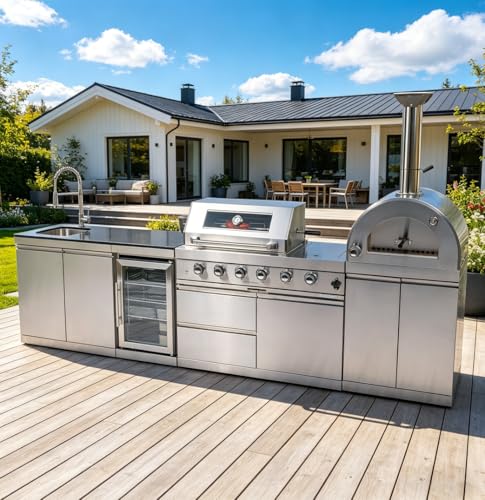
🔥 108000 BTU Multi-Function Outdoor Kitchen Island This Outdoor Kitchen Island combines a high-performance Gas Grill, Pizza Oven, Rotisserie, and Smoker Grill into one complete Barbecue Grill Station. Designed for outdoor cooking enthusiasts who want a full BBQ Island experience at home.

✅ Bull Outdoor Products Natural Gas Outlaw Grill Head.

Premium Wood-Fired flavor: Infuse elite wood-fired taste into brisket, burgers, pizza, and more with the Traeger Woodridge Elite wood pellet grill, built for serious grillers who want superior performance and versatile outdoor cooking.
Sear the First Side for 4–5 Minutes

Place your seasoned patties directly on the preheated grill grates, and let them sear undisturbed for 4–5 minutes on the first side. This initial searing period is vital because it creates a flavorful crust through the Maillard reaction, which develops that desirable charcoal flavor you’re after. You’ll notice attractive grill marks forming on the patty’s surface, indicating proper heat contact and caramelization.
Resist the urge to move or flip your burgers during this time. Keep the grill lid closed, which traps heat and guarantees even cooking. When you peek at your burger after four minutes, you should see browning and clear juices appearing on the surface. These visible juices signal that it’s time to flip your patty just once.
Flip and Cook to Your Desired Doneness
Once you’ve achieved that golden-brown crust on the first side, it’s time to flip your burger exactly once and finish cooking it to your preferred level of doneness. For medium burgers, cook the second side for approximately 3-4 minutes. If you prefer medium-rare, reduce this to about 3 minutes per side.
I recommend using timing cues alongside a meat thermometer to guarantee accuracy. Insert the thermometer horizontally into the center of the patty without touching the grill. Medium burgers reach 160°F, while medium-rare reaches 145°F. These internal temperatures verify doneness without relying solely on appearance. Avoid flipping multiple times or pressing the patty, as both actions expel valuable juices that keep your burger moist and flavorful throughout eating.
Avoid Pressing Down While Grilling Burgers
One habit that’ll sabotage all your hard work is pressing down on your burger with a spatula while it cooks, and I can’t stress enough how damaging this action is to your final product. When you apply pressure to the patty, you’re literally squeezing out the flavorful juices that keep your burger moist and tender. Proper spatula etiquette means using your utensil only to flip the burger once, then leaving it alone. Avoid squeezing or manipulating the patty throughout the cooking process. By resisting the urge to press down, you’re preserving the internal moisture that separates a juicy burger from a dry, disappointing one. Let the direct heat do its job without interference.
Toast Buttered Buns Until Golden Brown
Your burger’s success depends as much on the bun as it does on the patty itself, and toasting it properly shouldn’t be overlooked. I recommend using butter, which creates a moisture-resistant barrier that prevents your juices from soaking into the bread. Before toasting, I apply butter generously to the cut side of each bun half. Place the buttered sides face-down on your preheated grill grates over medium-high heat. Toast for approximately 60 to 90 seconds, watching carefully until the buns turn golden brown. This timing guarantees the exterior becomes crispy while the interior stays soft. A properly toasted bun holds your burger securely and enhances its overall texture and flavor, complementing your perfectly grilled patty.
Recommended Products

Individually wrapped and labeled for resale in vending and convenience store locations.

Gluten-free hamburger bun

THE JOY OF THE REAL THING: Little Northern Bakehouse is on a mission to give you the freedom of choice with the satisfaction of taste and texture. Certified gluten free? Check. Vegan hamburger buns? You got it. Allergy-friendly? Oh yeah, we went there.
Melt Cheese on Burgers in the Final Minutes
Cheese should typically be added during the final two to three minutes of cooking for medium burgers, allowing it to melt completely without overcooking the patty beneath. Different cheese varieties offer distinct melting qualities, so I’d recommend selecting options like American, cheddar, or Swiss, which melt smoothly and evenly across the patty’s surface.
For ideal melting techniques, I place the cheese directly on the hot patty, then close the grill lid to trap heat around it. This enclosed environment accelerates the melting process through retained warmth rather than direct flame exposure. The residual heat from your burger continues cooking the meat while the cheese softens into a creamy layer. By timing the cheese addition carefully, you’ll achieve a perfectly melted topping that complements your juicy burger without drying out the meat beneath.
Recommended Products

ELECTRIC GRIDDLE: This hardworking griddle features a 1500 watt heating system, cool touch handles & a base with a built in ledge with backstop for easy pancake flipping. The removable probe with easy-to-use dial allows for precise temperature control
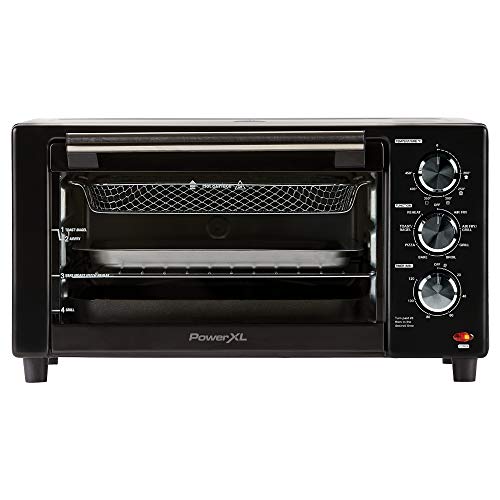
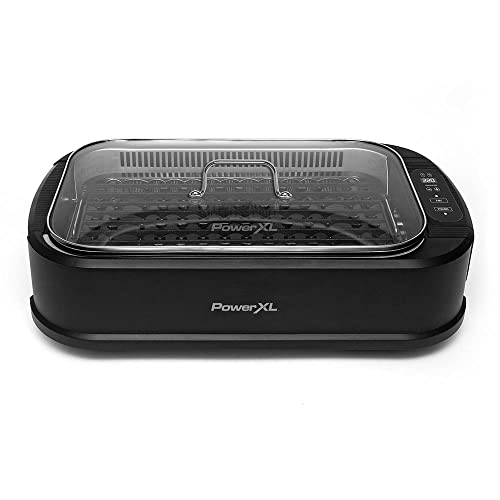
SUMMER BBQ GRILLED TASTE – INDOORS & SMOKE-FREE! 1650 Watt XL 15.5” X 9” edge-to-edge Indoor Grilling Surface is big enough for your BBQ party. It grills three entire racks of ribs, eight large burgers, or grill your protein and vegetables together for an entire meal all at one time – in any weather! You can even split a whole chicken down the middle and grill it “spatchcock” style.
Rest Burgers Before Serving for Maximum Juiciness
After your cheese melts perfectly into that creamy layer, it’s tempting to serve the burger immediately, but allowing it to rest for a few minutes makes a significant difference in how juicy and flavorful each bite becomes. During this resting period, carryover cooking continues slightly, redistributing the burger’s internal juices throughout the patty rather than letting them escape onto your plate. Resting also allows the meat fibers to relax and reabsorb moisture, which keeps each bite tender and succulent. Remove your burger from the grill and place it on a clean plate for three to five minutes before assembling it on the toasted bun. This brief waiting period guarantees your serving temperature reaches the ideal point, creating a perfectly balanced burger that maintains its juiciness from first bite to last.
Frequently Asked Questions
What Internal Temperature Should Burgers Reach for Medium Doneness?
I’d recommend checking temperature charts for food safety: medium burgers reach 160°F internally. I’ve found using a meat thermometer guarantees you’re hitting that mark precisely, preventing both undercooking and the moisture loss that overcooking causes.
How Can I Prevent Burger Patties From Sticking to Grill Grates?
I’ll prevent your patties from sticking by cleaning the grates thoroughly, then oiling them with an oil brush before preheating. You’ll want to preheat your grill completely to temperature for best results.
Should I Season Burgers Before or After Shaping Patties?
I’d season after shaping—you might worry it’ll dry out the meat, but strategic seasoning timing actually preserves moisture. I apply salt and pepper liberally to finished patties, creating texture contrast between the seasoned crust and juicy center.
Can I Cook Burgers on Indirect Heat Instead of Direct Heat?
I don’t recommend indirect searing for burgers. You’ll miss the desirable char that direct heat creates. However, reverse grilling—starting indirect then finishing with direct heat—works well if you’re cooking thicker patties and want precise doneness control.
How Long Should Burgers Rest After Grilling Before Serving?
I’d let your burgers rest for what feels like an eternity—roughly 3-5 minutes. This carry over cooking and temperature equilibration locks in those precious juices, ensuring you’re not biting into a dried-out patty.