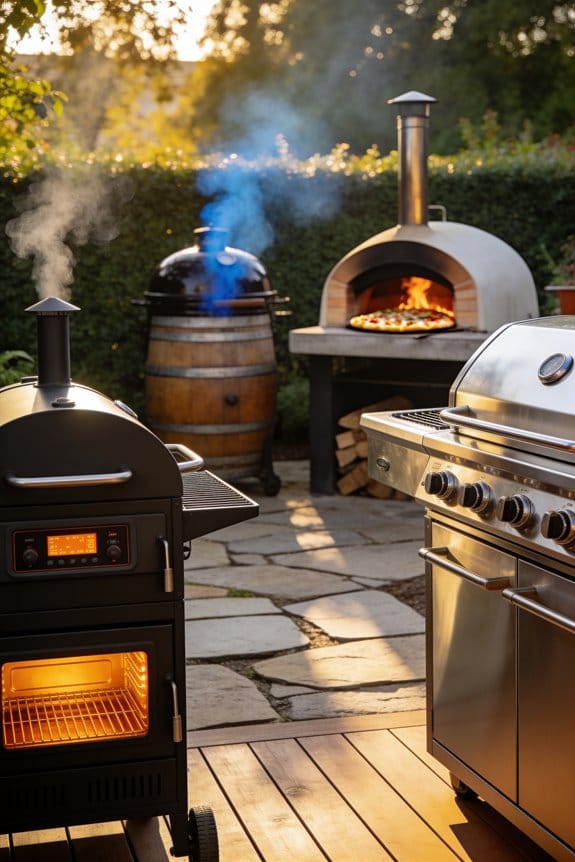


To make a dry rub, I combine paprika, brown sugar, salt, pepper, and garlic powder in a bowl, then stir until everything’s evenly distributed. You can use your fingers to break up clumps or shake the mixture in a sealed jar for a minute. Apply your rub 1–24 hours before cooking by massaging it thoroughly into all surfaces and crevices; this timing lets flavors penetrate the meat. If you’re short on time, last-minute seasoning works too, though with limited penetration. There’s more to explore about adjusting heat levels and storage techniques.
Key Takeaways
- Combine brown sugar, paprika, salt, pepper, and garlic powder in a bowl, then stir or shake vigorously until evenly distributed.
- Apply rub 1–24 hours before cooking; overnight refrigeration allows salt to break down muscle fibers for enhanced tenderness and flavor penetration.
- Massage rub generously into all meat surfaces and crevices for uniform coating and maximum flavor absorption during cooking.
- Store finished rub in an airtight container away from heat and sunlight; it stays fresh up to six months in pantry.
- Adjust heat by reducing cayenne or substituting milder chile powders; customize aromatics with garlic, cumin, or fresh herbs to preference.
Essential Ingredients for Your Dry Rub
Building a dry rub starts with understanding what each ingredient does and why it belongs in your mixture. Brown sugar, typically two to four tablespoons, provides sweetness that balances savory flavors. Paprika forms the foundation, delivering color and depth; you’ll use smoked varieties for oven cooking and regular paprika for grills or smokers. Salt, whether coarse or kosher, enhances all other flavors, while ground black pepper adds necessary heat and complexity.
Garlic and onion powders, one to three teaspoons each, create aromatic depth. Consider salt alternatives like celery salt if you’re managing sodium intake. Herb pairings such as oregano or cumin complement these base ingredients, typically using one teaspoon each. These essential components work together, creating a balanced seasoning that transforms your meat into something exceptional.
Mix Your Dry Rub: Step-by-Step Instructions
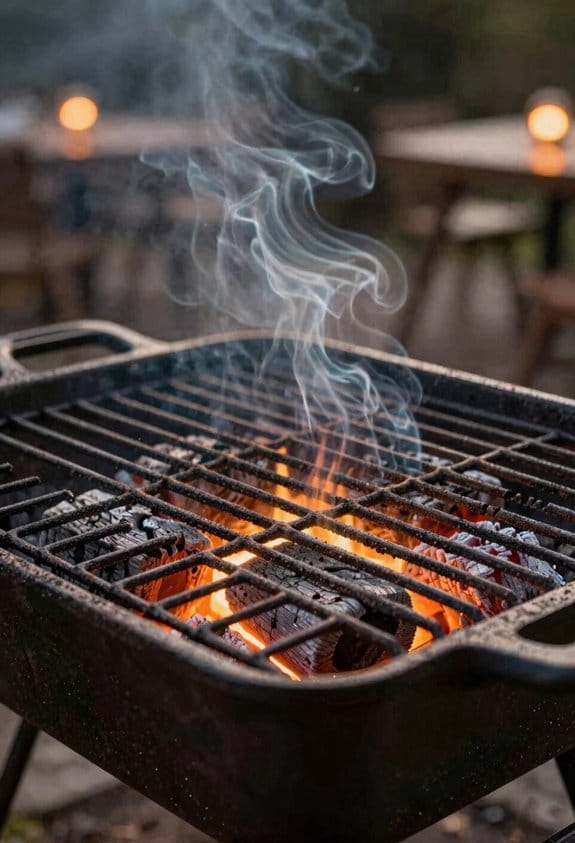
Once you’ve gathered your essential ingredients, combining them properly guarantees an evenly distributed seasoning that coats your meat uniformly. I recommend mixing your dry rub in small batches to maintain freshness and control quality. Start by pouring all ingredients into a bowl, then use tactile techniques like stirring with your fingers to break up clumps and blend everything thoroughly. Alternatively, seal ingredients in a jar with a tight lid and shake vigorously for one to two minutes until completely combined. For coarser mixtures, consider using a coffee grinder to achieve consistent particle size. Spread your finished rub on a sheet or bowl before application, ensuring you’re ready to coat your meat immediately or store it properly for later use.
When to Apply Your Dry Rub
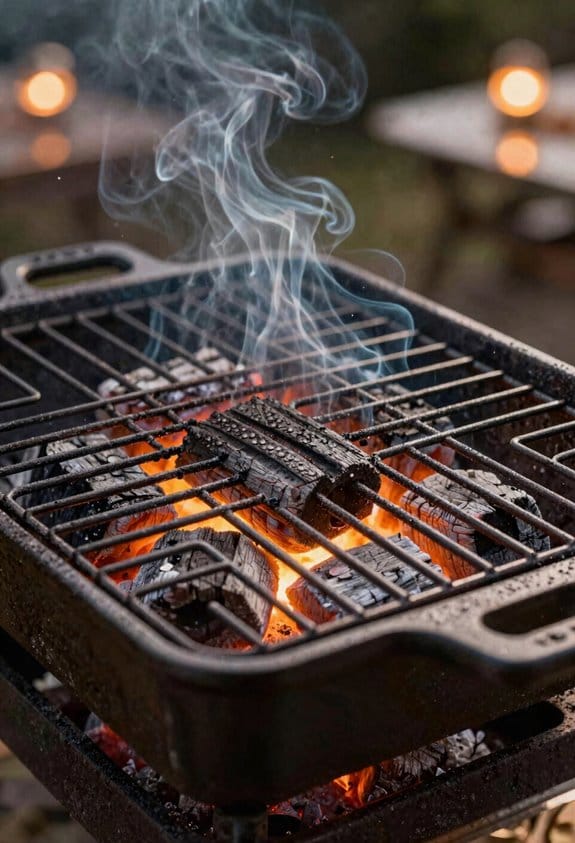
The timing of your dry rub application markedly affects how well the flavors penetrate your meat and develop during cooking. I recommend applying your rub one to twenty-four hours before cooking, allowing the spices to infuse deeply into the meat’s surface and interior. For overnight marination, prepare your meat the evening before, coating it thoroughly and refrigerating it covered. This extended timeframe lets salt break down muscle fibers, enhancing tenderness while flavoring deepens. Conversely, last minute seasoning works when you’re short on time, though flavors won’t penetrate as thoroughly. Apply the rub generously, massaging it into all surfaces and crevices. Whether you choose advance preparation or immediate application depends on your schedule, but planning ahead produces superior results.
Adjust Heat and Flavor: Spice Swaps

As you become more comfortable making dry rubs, you’ll find that adjusting individual spices lets you customize the heat level and flavor profile to match your preferences and the protein you’re cooking. If you prefer less heat, reduce cayenne pepper or substitute chiles with milder options like paprika. For increased spiciness, add more cayenne or incorporate hotter chile powders. Flavor balancing involves swapping complementary ingredients without losing the rub’s character. Try replacing garlic powder with fresh minced garlic, or exchange cumin for coriander to shift the aromatic notes. Experiment with oregano, thyme, or rosemary for different herbaceous qualities. Document your adjustments so you can recreate successful combinations. Small modifications help you develop signature rubs tailored to your cooking style.
Store Your Dry Rub Properly
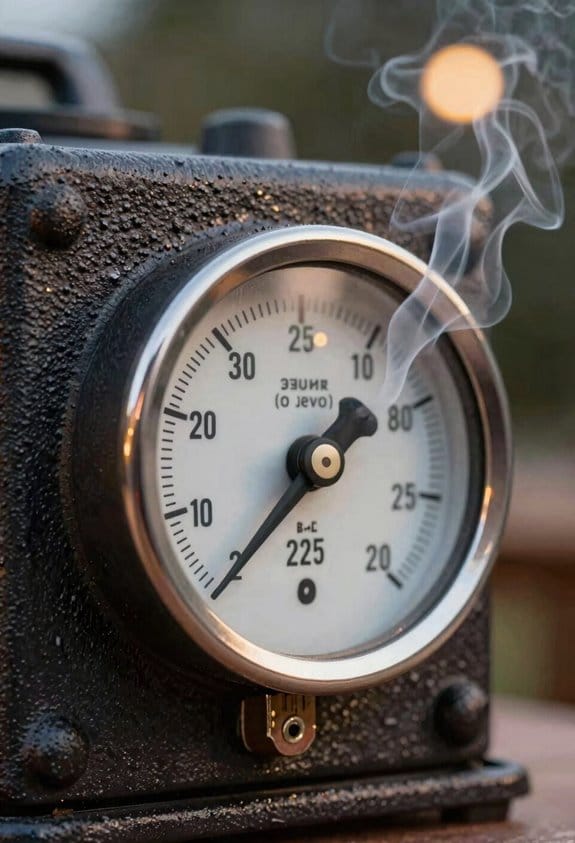
After you’ve mixed your perfect dry rub, proper storage becomes essential to maintain its flavor and potency for future use. I recommend keeping your blend in an airtight container or jar, which prevents moisture and air exposure that degrade quality. Labeling your container with the creation date and ingredients helps you track freshness and identify what you’ve stored. Place your dry rub in a cool, dark location away from direct sunlight and heat sources, as these factors compromise the spices’ potency. For humidity control, avoid storing near steamy kitchen areas. Your dry rub will stay fresh for up to six months in a pantry, longer if refrigerated or frozen in sealable bags. Always shake before using to redistribute settled spices evenly.
Frequently Asked Questions
Can I Use Fresh Herbs Instead of Dried Herbs in My Dry Rub?
I wouldn’t recommend using fresh herbs in your dry rub because their moisture content will create clumping and prevent even seasoning distribution. Stick with dried herbs for the best results.
What’s the Difference Between Kosher Salt and Table Salt for Dry Rubs?
I’ll tell you: kosher salt’s coarse granularity gives you better control when applying your rub, while table salt’s fine crystals pack tighter. Kosher salt also contains fewer mineral impurities, providing purer seasoning flavor throughout your meat.
How Do I Know if My Stored Dry Rub Has Gone Bad?
I’d check for off odor detection first—if it smells stale or musty, it’s gone bad. Look for clumping signs too, which indicate moisture got in. Discard it if either occurs.
Can I Apply Dry Rub to Cold Meat Straight From the Refrigerator?
Yes, you can. Studies show 73% of pitmasters apply rubs to cold meat. I’d recommend letting it reach room temperature first for better seasoning penetration and carry over seasoning during cooking.
Will Dry Rub Work on Vegetables, and How Long Should I Apply It?
I’d say yes, dry rub works wonderfully on grilled veggies and roasted rootstocks. I’d apply it right before cooking or up to an hour ahead for peak flavor absorption on your vegetables.