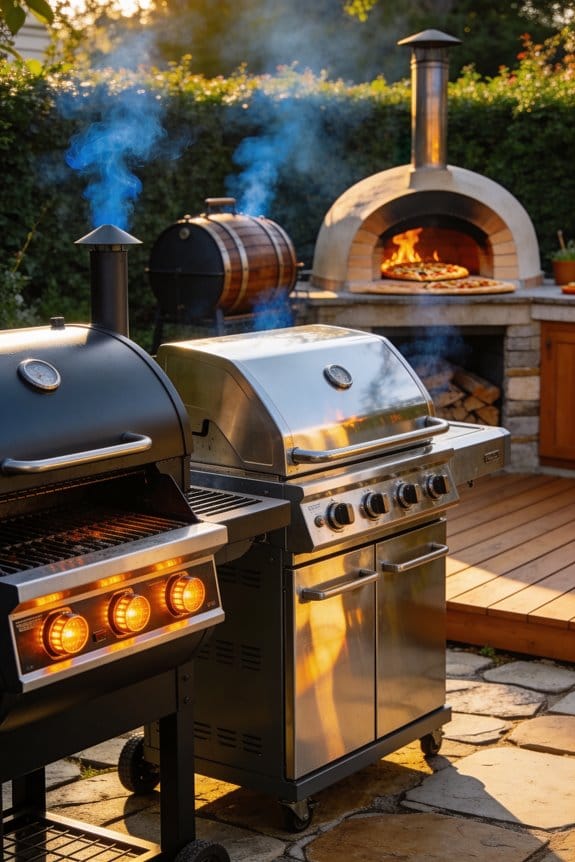

A meat thermometer transforms cooking by replacing guesswork with precision, eliminating the dried-out disasters that happen when you rely on appearance alone. You’ll pull your meat at exactly the right moment—about 5 to 10 degrees before your target temperature—accounting for carryover cooking that continues after removal from heat. Professional kitchens use thermometers as standard practice because they guarantee consistent doneness every time. This simple tool removes cooking anxiety and builds confidence through data-driven decisions, revealing why temperature control matters more than you’d expect.
Key Takeaways
- Thermometers eliminate guesswork by providing exact temperature readings, ensuring meat reaches perfect doneness every time without overcooking.
- Understanding carryover cooking—pulling meat 5-10°F below target—prevents overcooking and guarantees consistently juicy, tender results after resting.
- Professional kitchens use thermometers as standard practice, making this tool essential for mirroring restaurant-quality consistency at home.
- Knowing safe temperatures reduces cooking anxiety and builds confidence through data-driven decisions rather than unreliable visual cues.
- Proper probe placement in the thickest meat section avoids bones and fat, preventing skewed readings and ensuring accuracy.
How Meat Thermometers End the Overcooking Problem
Imagine pulling a steak from the grill only to discover it’s dried out and tough, ruining an expensive cut of meat that you’d planned to enjoy. A meat thermometer eliminates this disappointment by removing guesswork from cooking. When you rely on visual cues alone, you risk overcooking your meat. The thermometer tells you exactly when your meat reaches the perfect temperature. Understanding carryover timing is vital here. Meat continues cooking after you remove it from heat, so you should pull your steak at 138°F to account for carryover cooking, allowing it to reach mid-140s at resting temps. This knowledge guarantees consistently juicy, tender results every single time, protecting even your most expensive cuts from becoming ruined.
What Restaurant Thermometer Practices Teach Home Cooks
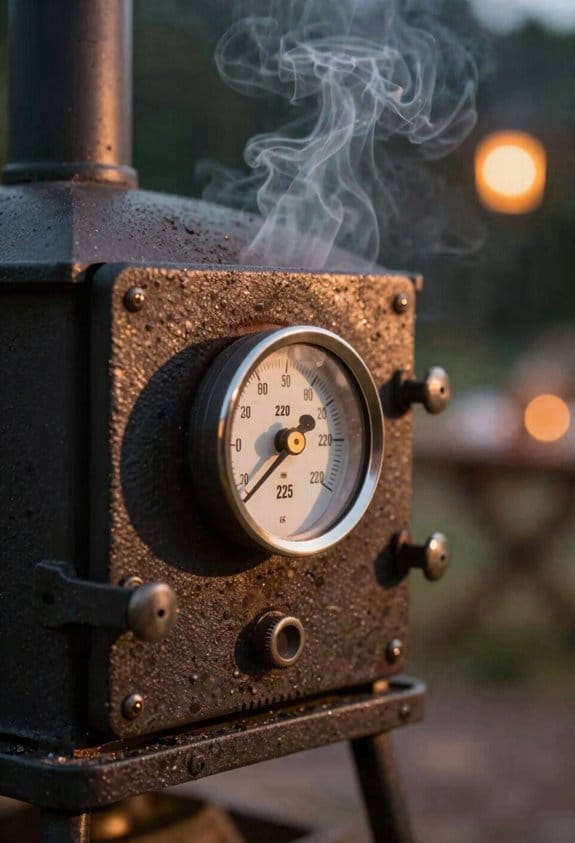
Professional kitchens have picked up on something that home cooks often overlook: using a meat thermometer isn’t just a suggestion, it’s a standard practice that separates consistent results from hit-or-miss cooking. Restaurants implement staff training programs that emphasize temperature verification as non-negotiable protocol. This compliance monitoring guarantees every dish meets food safety standards and customer expectations.
When you adopt restaurant practices at home, you’re gaining access to proven methods. Professional kitchens understand that thermometers eliminate guesswork and guarantee doneness levels. They train their teams to verify temperatures consistently, treating it as fundamental technique rather than optional step. By mirroring these restaurant standards through staff training principles and compliance monitoring mindsets, you’ll transform your cooking reliability, guaranteeing safer meals and better results every single time.
When to Measure: Temperature Targets for Every Protein
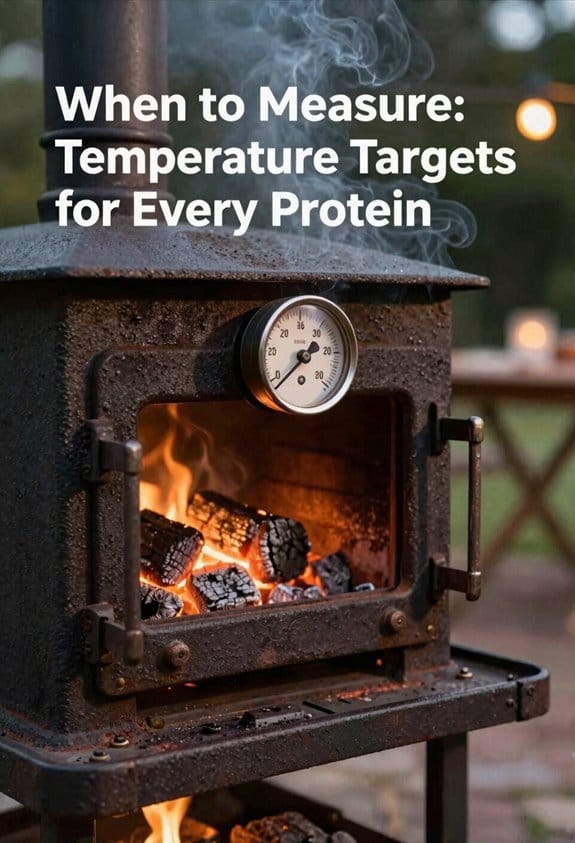
Once you commit to using a meat thermometer, you’ll need to know exactly where to insert it and what temperatures indicate doneness for different proteins. Poultry requires 165°F for food safety, while beef roasts and pork chops need 145°F. Fish reaches safety at 145°F as well. Insert the probe into the thickest part of the meat, avoiding bone or fat, which skew readings. Understanding carryover cooking is essential—meat continues cooking after removal from heat, so pull beef tenderloin at 138°F to reach your target mid-140s temperature. These internal temps represent the only reliable way to confirm bacteria destruction and prevent foodborne illness, making precise measurement critical for every meal.
Perfect Doneness Every Single Time: No More Dry Meat
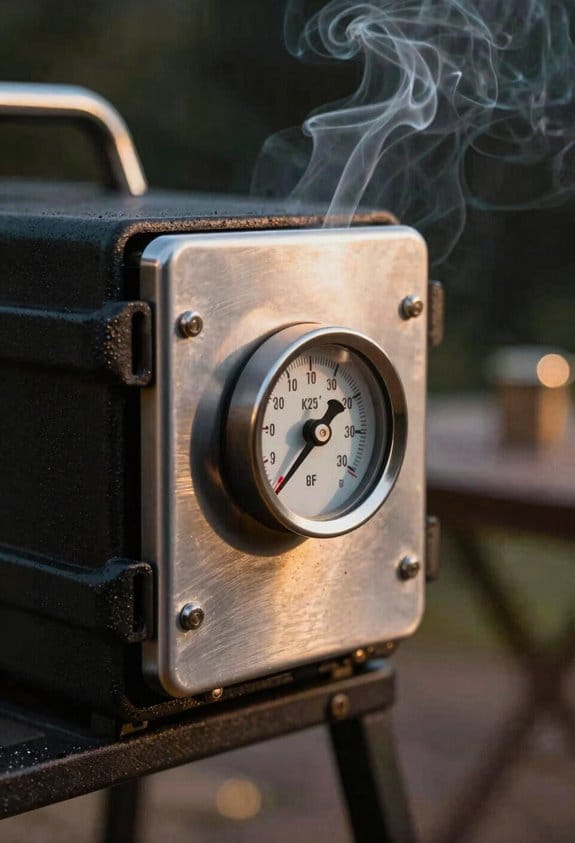
Because meat continues cooking after you remove it from heat, using a thermometer eliminates the guesswork that leads to overcooked, dry results. This phenomenon, called carryover cooking, means your beef tenderloin or chicken breast keeps rising in temperature even when it leaves the heat source. By understanding carryover cooking, you’ll pull your meat at the right moment—approximately 5 to 10 degrees before your target temperature. This technique preserves moisture and tenderness while achieving your desired doneness level. Proper resting times also matter; allowing meat to rest after cooking helps redistribute juices throughout. A meat thermometer removes uncertainty, ensuring consistent, juicy results every time you cook, transforming your meals from potentially overdone to perfectly prepared.
How Thermometers Build Cooking Confidence
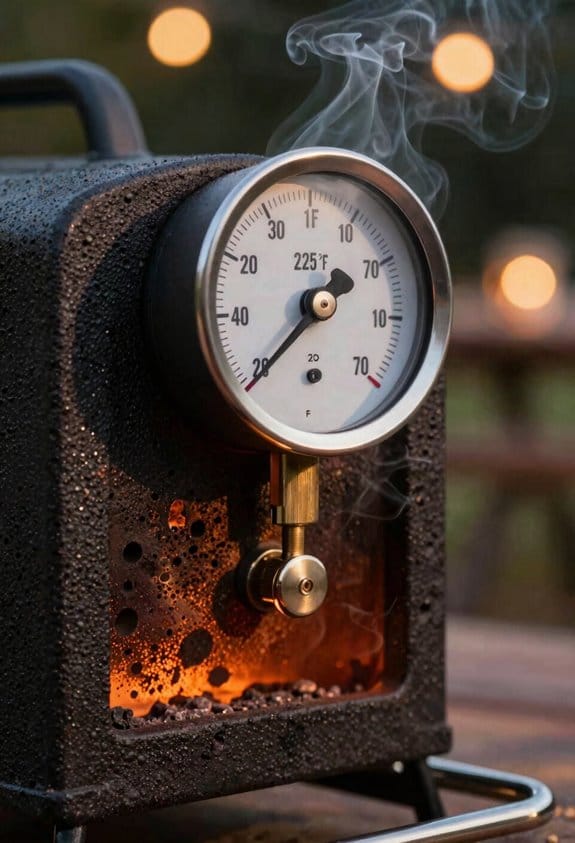
When you’re uncertain whether your chicken’s cooked through or your steak’s reached the right doneness, that guesswork creates anxiety in the kitchen. Most cooks rely on visual cues—checking color or firmness—but these methods often mislead you. A meat thermometer eliminates that uncertainty by providing exact temperature readings. This kitchen psychology shift transforms how you cook. Instead of second-guessing yourself, you’ll know with certainty when meat reaches safe temperatures. You’ll develop confidence knowing 165°F poultry is safe and your beef tenderloin won’t dry out. Each successful meal reinforces your competence, making future cooking sessions less stressful. The thermometer becomes your reliable guide, replacing doubt with data-driven decisions that consistently deliver perfect results.
Frequently Asked Questions
Why Do Celebrity Chefs Rarely Mention Thermometer Use on Cooking Shows?
I believe celebrity chefs rarely mention thermometers because they prioritize celebrity mystique and showmanship theatrics over practical guidance. They’d rather you admire their visual expertise than rely on a tool that democratizes cooking success.
What Types of Meat Thermometers Are Best for Different Cooking Methods?
I’d recommend an instant read thermometer for quick grilling checks and a leave-in probe for smoking or oven roasting—it’ll monitor temperature rise without opening your cooker constantly.
How Much Has Thermometer Usage Increased in North America Over Time?
I’ve witnessed remarkable thermometer adoption growth in North America—usage jumped from 49% in 1998 to 70% by 2010. These historical trends reflect successful food safety campaigns that’ve fundamentally shifted how we approach cooking temperatures.
Why Do Consumers Prefer Visual Cues Instead of Temperature Verification?
I’ve watched countless cooks proudly serve undercooked chicken because it “looked done.” You’re drawn to visual tradition and kitchen instincts over thermometers—it’s social signaling, really. We trust aesthetic preferences rather than actual safety.
What Percentage of Cookbook Recipes Actually Include Correct Internal Temperatures?
I’ve found that only 8% of cookbook recipes list endpoint temperatures, while 28% provide incorrect information. This recipe accuracy gap perpetuates temperature myths, leaving you vulnerable to undercooking or overcooking your meals.