
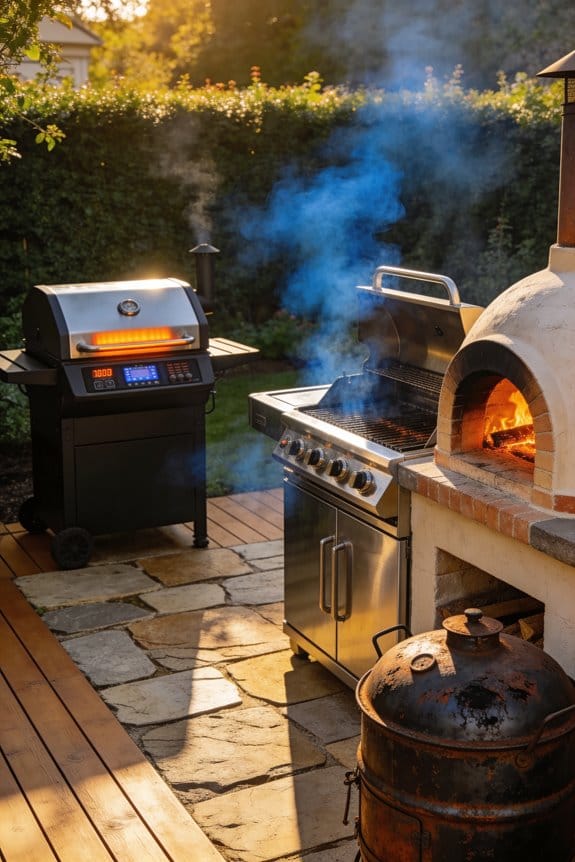

Outdoor pizza ovens are booming because they’re reshaping how homeowners use their backyards. The market’s growing from $2.63 billion in 2026 to $4.20 billion by 2032, driven by the outdoor living trend, pandemic home investments, and social media inspiration. You’re getting restaurant-quality pizzas at home while enjoying entertaining space. Tech improvements make ovens reach cooking temperatures faster, while hybrid models offer flexibility without constant maintenance. Understanding your fuel options and budget helps you pick the right setup.
Key Takeaways
- Outdoor living trends are reshaping home design priorities, making pizza ovens central to modern leisure spaces and entertaining.
- Social media amplification of homemade pizza visuals inspires purchases, while pandemic investments accelerated outdoor space adoption significantly.
- Tech innovation enables ovens to reach cooking temperatures in minutes with digital controls, increasing accessibility and convenience.
- Rising disposable incomes combined with improved oven technology and hybrid fuel options make pizza ovens more affordable than ever.
- Wood-fired ovens deliver authentic restaurant-quality flavors and culinary control that homeowners increasingly desire for entertaining and cooking experiences.
The Pizza Oven Market Is Growing Faster Than Ever
As the outdoor living trend continues to reshape how people spend their leisure time, the pizza oven market‘s growth tells an interesting story about changing consumer priorities. I’ve noticed the market adoption accelerating dramatically, with projections showing growth from $2.63 billion in 2026 to $4.20 billion by 2032. Tech innovation plays a pivotal role in this expansion, with manufacturers developing ovens that reach cooking temperatures in minutes and feature digital controls. The residential segment drives most demand, accounting for roughly 61% of the market. What’s particularly striking is how outdoor wood-fired pizza ovens alone are projected to grow at 15% annually through 2033. This rapid expansion reflects genuine consumer interest in creating restaurant-quality experiences at home.
Why Are Homeowners Replacing Restaurants With Pizza Ovens?
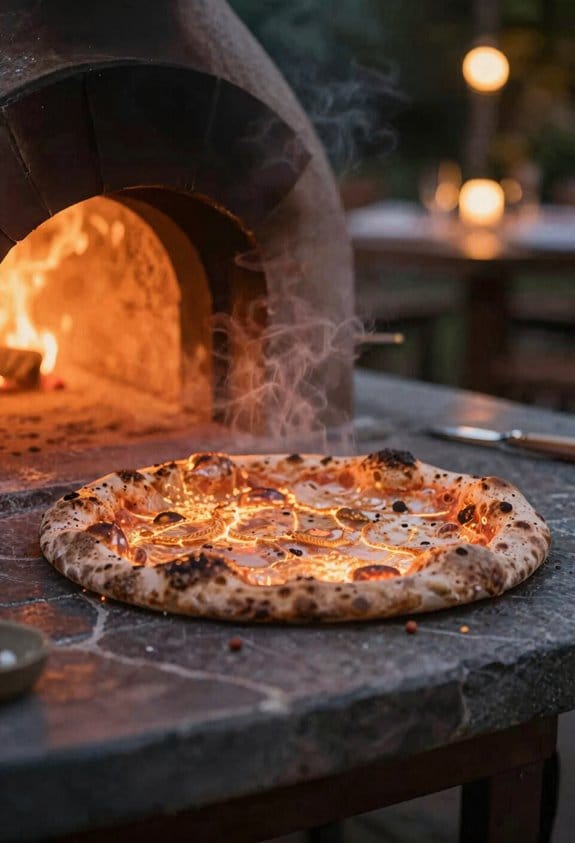
The shift toward home pizza ovens stems from several interconnected changes in how people view dining and leisure time. Homeowners now want culinary control over their meals, crafting restaurant-quality pizzas in their own backyards. This trend reflects a broader move away from traditional dining out, as families seek authentic experiences at home. When you own a pizza oven, your home dinner becomes an event rather than a routine meal. The pandemic accelerated this shift, as people invested in outdoor spaces and discovered the satisfaction of wood-fired cooking. Social media amplified this movement, showcasing impressive homemade pizzas that inspired others. Additionally, rising disposable incomes and improved oven technology make these investments more accessible and appealing than ever before.
Wood-Fired, Gas, or Hybrid: What’s the Difference?
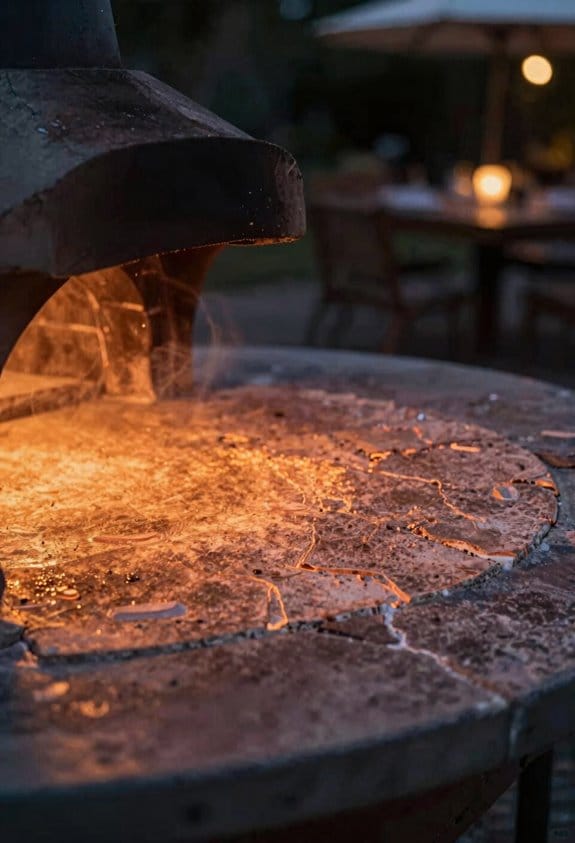
Once you’ve decided to bring a pizza oven into your backyard, you’ll need to pick between three main types: wood-fired, gas, and hybrid models. Wood-fired ovens deliver authentic flavor profiles through direct flame contact, creating that traditional pizzeria taste many homeowners seek. However, they require significant maintenance requirements, including chimney cleaning and ash removal. Gas ovens offer convenience and faster heat-up times, reaching 950°F in about 60 seconds with digital controls, though they produce different flavor profiles. Hybrid models combine both fuel sources, giving you flexibility without demanding extensive upkeep. When choosing, consider your cooking preferences, available space, and how much time you’re willing to invest in maintenance requirements and operation.
Wood-Fired vs. Gas Ovens: Which Is Booming?
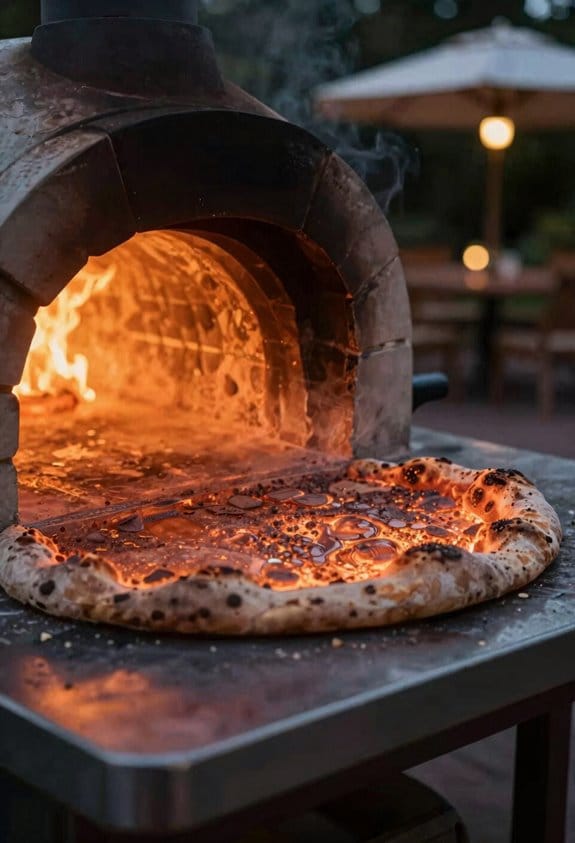
While understanding the differences between wood-fired, gas, and hybrid ovens helps you narrow your choices, looking at which type’s actually growing in popularity reveals what homeowners like you are choosing right now. Wood-fired ovens command significant market attention, with the wood-fired segment projected at a robust 15% CAGR through 2033. However, gas ovens are gaining traction due to lower maintenance costs and convenience factors. Wood-fired models deliver superior flavor profiles through authentic wood smoke, yet they require regular cleaning and fuel management. Gas ovens offer easier operation and reduced upkeep expenses, making them increasingly popular among busy homeowners. Your decision ultimately depends on whether you prioritize traditional flavor experiences or prefer simplified maintenance and faster heating capabilities.
How Instagram Drove Pizza Oven Sales Among Young Homeowners
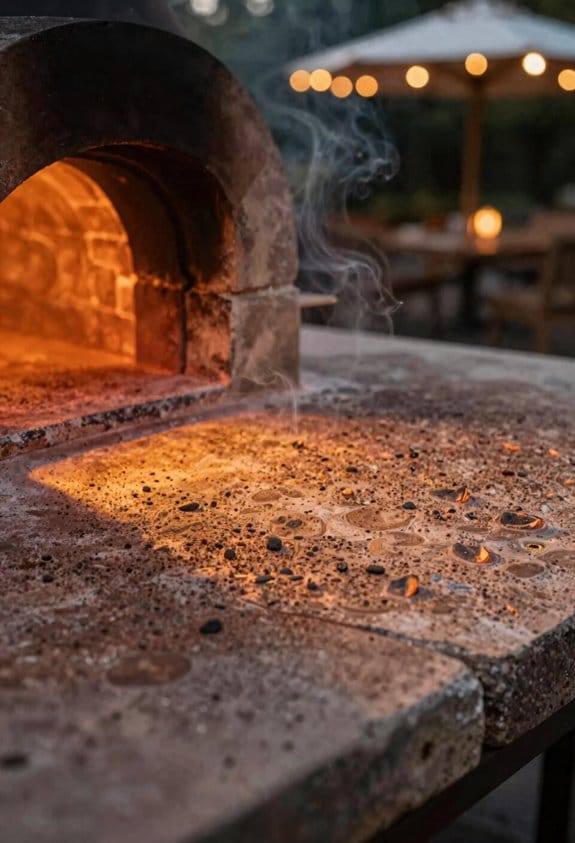
Social media platforms, particularly Instagram, have sparked a significant surge in outdoor pizza oven purchases among younger homeowners by showcasing beautifully designed backyard spaces and restaurant-quality food experiences. Influencer aesthetics drive this trend, as content creators display stunning pizza ovens within aspirational staging that appeals to their followers. User-generated content amplifies this effect, encouraging homeowners to share their own pizza-making experiences, which inspires others to invest in similar setups. Micro trends emerge rapidly on Instagram, with hashtags and viral posts creating demand for specific oven styles and brands. Young homeowners view pizza ovens as status symbols and entertainment focal points, not just cooking appliances. This social media visibility has transformed outdoor kitchens into must-have features for residential properties.
Real Pizza Oven Prices: What You’ll Actually Pay
The cost of owning a pizza oven varies dramatically depending on the type, materials, and features you choose, ranging from a few hundred dollars for basic models to several thousand for premium installations. Entry-level portable ovens start around $300–$500, while mid-range stainless steel models cost $1,000–$3,000. High-end wood-fired and gas ovens reach $5,000–$15,000 or more. Beyond the initial purchase, consider budget tiers for installation, which can add $500–$2,000. Refurbishment costs matter too if you buy used equipment, typically running $200–$800 depending on the oven’s condition. Professional commercial-grade ovens exceed $20,000. Factor in delivery, foundation preparation, and accessories when calculating your total investment.
Choose Your First Pizza Oven: A 5-Step Framework
As you consider investing in your first pizza oven, you’ll want a structured approach to navigate the overwhelming choices available in today’s market. Start by determining your space constraints using a size guide that matches your patio or backyard dimensions. Next, decide between wood-fired, gas, or hybrid models based on your cooking preferences and maintenance tolerance. Consider your budget, keeping in mind that quality ovens range from portable units to permanent installations. Create an accessory checklist including covers, thermometers, peels, and storage solutions. Finally, research brands and read customer reviews to understand long-term durability and support. This framework helps you make an informed decision aligned with your specific needs and lifestyle preferences.
Frequently Asked Questions
Do Outdoor Pizza Ovens Require Special Permits or Zoning Approvals Before Installation?
Yes, you’ll need permits and zoning approvals. With the outdoor pizza oven market hitting $325.7 million in 2026, I’ve found most jurisdictions require compliance with building codes and fire safety regulations before installation.
How Long Do Pizza Ovens Typically Last, and What Maintenance Do They Need?
I’ll tell you that quality pizza ovens typically last 15-20 years with proper care. Your maintenance schedule should include regular chimney cleaning, annual inspections, and protective sealing. These lifespan estimates depend heavily on climate and usage frequency.
Can Pizza Ovens Be Used Year-Round in Cold Climates and Snow?
You’d think snow’d stop pizza night, but I’m here to tell you it won’t. With insulated covers and deck-safe bases, I keep mine firing year-round through brutal winters without damage.
What’s the Average Installation Cost, and Do I Need Professional Help?
Installation costs typically range from $500–$5,000 depending on your oven’s complexity. While I can handle basic setups myself, I’d recommend professional help for foundation work, gas lines, or intricate masonry to guarantee safety and longevity.
How Quickly Can a Pizza Oven Heat Up, and How Hot Do They Get?
I’ll tell you modern pizza ovens offer impressive rapid preheat times. Gas models like Gozney’s Arc reach peak temperatures of 950°F in just 60 seconds, while wood-fired ovens typically hit 800-900°F in 15-20 minutes.


