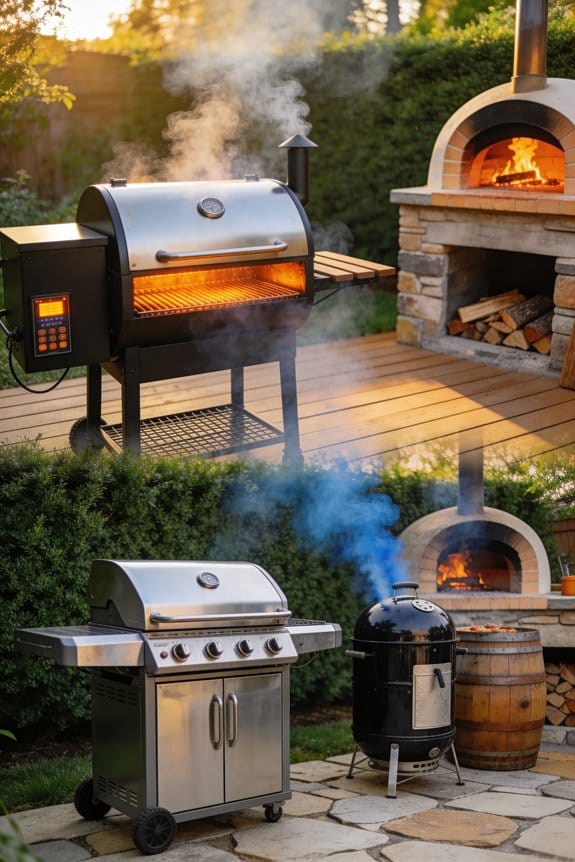


Propane and natural gas grills differ mainly in installation, cost, and fuel reliability. Propane uses replaceable tanks you swap yourself, while natural gas connects to your home’s utility line through professional installation. Propane typically costs more per hour to operate but offers portability and immediate setup. Natural gas provides unlimited fuel and lower operating costs, though it requires permits and plumbing work. Each choice depends on your home setup and cooking priorities, and we’ll explore the specific advantages of each fuel type in detail.
Key Takeaways
- Propane grills offer portability and easier installation, while natural gas requires professional plumbing and permits but provides unlimited fuel.
- Propane typically costs $0.60–$1.00 per hour to operate, while natural gas costs $0.30–$0.70 per hour, making natural gas more economical.
- Modern propane and natural gas grills reach similar temperatures of 500–550°F despite propane’s higher energy density.
- Propane tanks run dry mid-cook requiring refills, while natural gas grills deliver constant fuel through home utility lines.
- Propane burns cleaner with lower CO2 emissions, but natural gas disperses safely upward during leaks while propane accumulates dangerously near ground.
Why Propane Burns Hotter
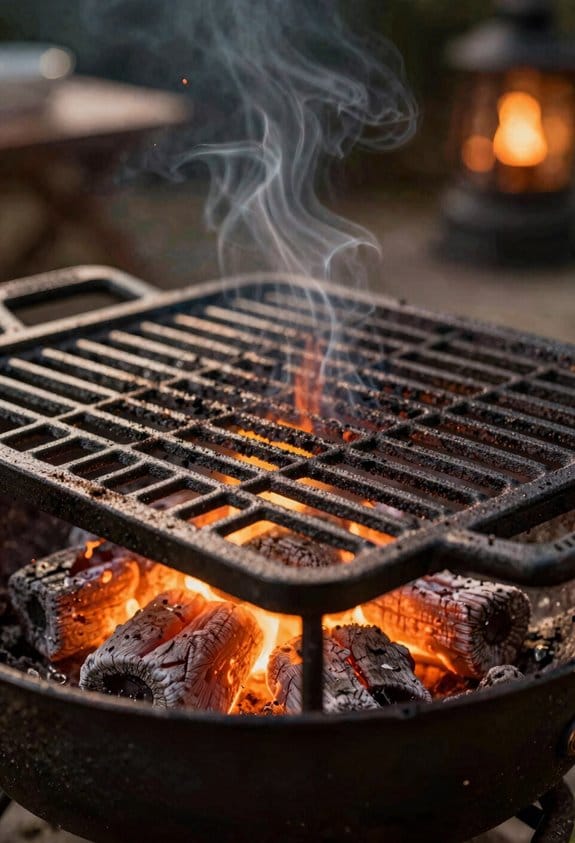
Propane burns markedly hotter than natural gas because it’s nearly two-and-a-half times more energy-dense by volume, which means more fuel molecules pack into the same space and release more energy when ignited. This higher energy density translates directly into increased flame temperature. While natural gas burns at lower temperatures, propane can reach flame temperatures up to three times hotter. Because propane’s molecules contain more energy per unit volume, the combustion process generates more intense heat output through the same burner orifice. Natural gas compensates for its lower energy density by using larger orifices to allow adequate gas flow. However, modern technology has narrowed this gap; today’s natural gas grills achieve temperatures of 500–550°F, matching propane models’ performance despite their fundamental differences in fuel composition.
How Much Does Each Fuel Cost?
When you’re considering which grill to buy, fuel costs play a significant role in your decision, and understanding the price differences between natural gas and propane can help you make the choice that fits your budget. Propane costs approximately $0.60–$1.00 per hour of grilling, while natural gas averages $0.30–$0.70 per hour, making natural gas the more economical option during operation. However, fuel pricing extends beyond hourly rates. Consumption rates differ markedly between fuels; propane requires periodic tank refills or replacements when depleted, adding recurring expenses. Natural gas connects directly to your home’s utility supply, eliminating refill costs entirely. Though natural gas installation demands higher initial investment through plumbing and permits, the long-term savings on fuel costs typically offset these upfront expenses, particularly for frequent grillers.
Which Grill Is Easier to Install and Use?
Installation and ease of use represent another key difference between these two grill types, and I find that understanding how each one sets up can help you decide which fits your situation best. Propane grills offer portable convenience since they connect to replaceable tanks without requiring any installation permits or professional help. You can place them anywhere—patios, decks, driveways—without gas line access. Natural gas grills, however, need a licensed plumber to run underground utility pipes to your outdoor area. This process requires installation permits and takes considerably longer. Once installed, natural gas grills deliver constant fuel for uninterrupted cooking, while propane tanks eventually run dry. If convenience matters most, propane’s setup simplicity wins. If you already have gas service available, natural gas becomes the more practical long-term choice.
Can You Keep Grilling When Your Tank Runs Dry?
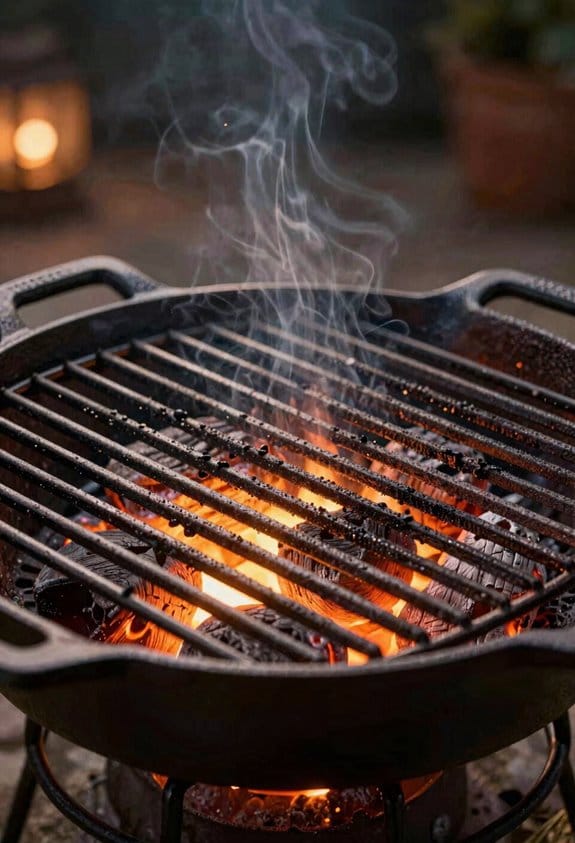
One pivotal difference between propane and natural gas grills comes down to fuel reliability, and this distinction can markedly affect your grilling plans. With a propane grill, you’re dependent on your tank’s fuel supply, meaning your cooking stops when the tank runs dry. This requires tank swapping or refilling mid-cook, which interrupts your grilling session. Natural gas grills, however, connect directly to your home’s gas line, providing unlimited fuel as long as the line remains connected. You’ll never encounter an unexpected fuel shortage during dinner preparation. For those seeking an emergency backup option, propane’s portability offers flexibility—you can keep spare tanks on hand. Natural gas eliminates these concerns entirely, ensuring uninterrupted grilling whenever you need it.
Does Temperature Matter on Today’s Grills?
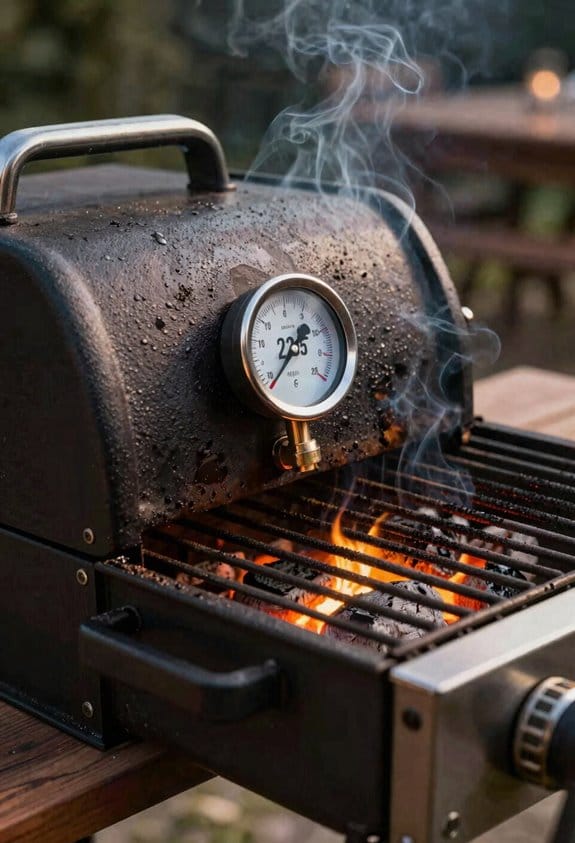
You’ll often hear grilling enthusiasts debate whether propane or natural gas produces hotter flames, but the truth is that modern grill technology has largely closed this gap. While propane can theoretically burn three times hotter than natural gas, today’s grills compensate through design differences. Natural gas burners use larger orifices to increase gas flow, allowing them to reach temperatures comparable to propane models—typically 500–550°F.
What matters more than raw temperature is dial precision. Modern grills offer accurate temperature control regardless of fuel type, letting you dial in the exact heat you need. This temperature relevance means your cooking results depend less on which fuel you choose and more on your grill’s quality and your technique. Both fuel types deliver reliable performance for everyday grilling.
Which Burns Cleaner and Safer?
Beyond temperature performance, the environmental impact and safety profile of your grill deserve careful consideration. Propane burns cleaner than natural gas, producing lower carbon dioxide emissions and making it an environmentally conscious choice. However, natural gas ranks as one of the most eco-friendly fuel sources available overall.
Both fuels produce carbon monoxide during combustion, so proper indoor ventilation remains essential if you’re grilling near your home. Natural gas offers a safety advantage because it’s lighter than air, dispersing upward and away from your cooking area during leaks. Propane, being heavier, can accumulate near ground level. For emission monitoring and leak detection, both fuel types include odorants to alert you quickly. Understanding these safety differences helps you make an informed decision based on your specific setup and priorities.
Which Fuel Is Right for Your Home?
Several key factors should guide your choice between propane and natural gas, depending on what your home can accommodate and what matters most to you. If your home already has natural gas lines installed, that option eliminates expensive plumbing work and provides unlimited fuel. However, if gas lines aren’t available, propane offers flexibility since portable tanks require no installation. Consider your yard aesthetics too; natural gas grills need visible gas line connections, while propane units sit independently. For resale value, homes with existing natural gas service often appeal to future buyers. Evaluate long-term costs carefully: natural gas costs less monthly but demands higher upfront installation expenses. Propane suits those prioritizing convenience and portability, while natural gas benefits homeowners seeking lower operating expenses and continuous fuel supply.
Frequently Asked Questions
What Are the Primary Sources and Compositions of Propane and Natural Gas Fuels?
Like nature’s buried treasure, I’ll explain: natural gas comes from underground methane deposits, while propane derives from petroleum and natural gas sources. Both require fossil origins and gas processing to reach your grill.
How Quickly Do Propane and Natural Gas Grills Reach Cooking Temperature?
I’ll tell you that propane grills heat faster with superior burner responsiveness and rapid heating capabilities. They’ve got quicker ignition times and thermal ramp up compared to natural gas models, though modern natural gas grills now reach comparable temperatures.
What Happens to Propane and Natural Gas if They Leak Outdoors?
Like a ghost escaping its chains, natural gas floats upward when it leaks, dispersing safely into the atmosphere. Propane, however, sinks earthward—harder to detect without odor additives—creating greater environmental risks and safety concerns for you.
Can Propane Grills Operate During Power Outages or Electrical Failures?
Yes, I can tell you that propane grills operate during power outages because they don’t rely on electricity. You’ll use manual ignition or a battery backup to start your grill, ensuring uninterrupted cooking when electrical failures occur.
What Is the Energy Density Difference Between Propane and Natural Gas by Volume?
I’ll tell you that propane’s nearly two-and-a-half times more energy-dense by volume than natural gas. Propane contains approximately 91,500 BTUs per gallon, while natural gas provides roughly 1,030 BTUs per cubic foot. This higher energy content and storage pressure make propane exceptionally efficient.